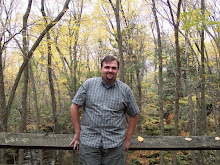
The Burns Brood, how would you like to butcher with this underfoot?
We always butchered for the first time on Thanksgiving Day, it was always that day for as long as anyone could remember. We chose Thanksgiving Day because we butchered by the signs, and Thanksgiving Day was the first time it was cold enough to butcher that also fell in the right sign. We would butcher several more times throughout the winter, but none of the butcherings were as exciting as the day of the first butchering. On butchering day we would all rise at the break of day and build a huge fire under makeshift cauldrons, which were really just 55-gallon steel drums with one end cut out. When the water in the barrels was boiling, it was time go get started. The cold air made your fingers so cold that you were always huddled around the fire to warm your hands.
We usually reserved the animals that had something wrong with them for butchering. We didn’t want to breed down our stock with inferior animals, nor did we want to butcher our good brood sows. For example, one year we butchered a hog that we kids had named “Junior,” he was a prime candidate for butchering because he was born with a rupture. Junior was a friendly hog and would let us kids ride on his back. We knew that he was going to be butchered, but couldn’t help ourselves from playing with him.
The night before Thanksgiving Day, we always put the hogs to be butchered in the front stall of the hog house so it would be easy to pull out once the animal was shot. My granddad was usually the person to shoot the hog, and that in itself was a time-honored tradition. It is widely believed in my family that if the hog senses that you mean to do it harm, it will get mad and the meat will be strong. So my granddad would always walk into the hog house like we was getting ready to feed. Our hogs were always so tame that they would come right up to him. He would then shoot the hog between the eyes, which nearly always immediately killed the hog. My uncles would drag the hog out of the pen and cut its throat to let it bleed out.
My dad was never allowed to help with shooting the hog. It is said that the hog wouldn’t die as long as someone pitied it. One time when he was young, he pitied the hog. They figured out that it was my dad and sent him in the house. And that is where he was banished every year during the hog shooting. They would holler for him to come and help as soon as the hog died, and he usually was the one that “gutted” the hog. This process hooked the back legs of the hog onto a chain and used a tripod of metal poles with a come-a-long attached in the middle. The hog was gradually hoisted up in the air. The gutting took place then, and the head was cut off.
Gutting the hog was an adventure for all of us kids. We would all gather around to look at the shiny coils of intestine spilling out on the ground, and we waited impatiently for our reward. We were allowed to watch because “you learn from watching,” and one day it would be our duty to butcher the hogs. Our reward for watching was getting the hog bladder. It would be removed from the hog and someone would blow it up and tie off the end of it. It made a really neat, and durable balloon. All the kids would run around and play with the hog bladder. We’d kick it and inevitably play a crude game of baseball with it, using an old board for a bat and the hog bladder for the ball. After about a half hour or so the bladder would start to dry out and would lose air, and then the fun was mostly over.

Yes, that's me in the pink coat! It was a hand-me-down from a girl cousin, but as my mother put's it, "It was a good coat!"
Of course, by that time, the hog carcass had been dipped several times down into the barrel of boiling water so the hair would be loosened. We kids were expected to help in scraping the hair off the hog. We’d use anything that had an edge on it, but usually we used an old butcher knife. Nobody was ever concerned that we’d cut ourselves since we grew up using knives and knew how to handle them. So we’d scrape the hog and scrape the hog some more, and then the adults would again dip the carcass down into the boiling water to further loosen the hair. Slowly but surely the hair was scraped off the carcass.
After the hair was removed, the carcass was cut up. We usually had a large table that the men folk laid the carcass on. They then cut the hog into sections of chops, bacon, ham, sausage meat. Huge mounds of fat were set aside. While the men butchered the hog, the women were in charge of using the fat to make lard and cracklins. Once the fat melted, this oil was used to make cracklins, which are known today as pork rinds. There’s nothing better than a fresh cracklin’. There was usually a passel of kids around the kettle waiting for more to get done. When everyone ate their fill, Mom and the older girls rendered the lard and put it up in canning jars.
As the hog meat was cut up, it was washed in icy cold spring water that we’d carried up the hill that morning and the washed meat was then wrapped in freezer paper. When a pile of it was wrapped, it was carried to the icebox. Some of the fresh pork chops were set-aside for dinner.

Maw's Chickens
About the time the hog was getting cut up and as the job neared completion, someone would eventually holler “grab me a chicken”. Our chickens were allowed to free-range and with all of the commotion in the hog house (which was also the chicken house), all of the chickens were outside. So, we kids and some of the adults would have a grand chase on our hands trying to catch a chicken. We’d eventually catch a few and someone would throw them across the chopping block and after a whack with the axe, they’d let the chicken down. The funny thing about a chicken, it doesn’t die immediately. It will run around for upwards to a minute, so this was a big game for us kids. We’d be yelling and chasing a wild, darting decapitated chicken through the yard, until the chicken would bleed out and just fall over. We’d then retrieve it to my mother who would dip it down in the hot scalding water and start plucking feathers. I still recall the smell of singed feathers, and the acrid stench of the steaming hog guts. It really is a wonder I’m not a vegetarian. When the chicken was completely plucked and cleaned, mom would cut off the chicken feet and give them to us kids. Again, this was great fun for us. If you pull the “leaders” in a chicken foots, it will open and close just like it were alive. We’d continually harass each other with a chicken foot.

Maw's Chicken Coop
In the old days, the older folks said they used the hog intestines to put sausage in. They said there were three layers to the guts -- an outer, a middle and an inner layer. You discarded the outer and inner layers because they were filthy, and you used the middle layer for sausage casing. While the old folks may have used it that way, we didn’t. We made our sausage into patties.

I don't know who these women are, but this photo was in my Grandmaw's papers. I'm guessing this was taken before Women's Lib!
All of these activities took several hours and by the end of it all, we were all plenty tired and hungry, Mom and the older girls would fry up pork chops, and we’d always have roasted turkey because Dad got one from where he worked. Since Thanksgiving Day fell during the first week of deer season, we always had fried deer meat as well. We also had huge mounds of mashed potatoes, pans of stuffing, bowls of green beans, homemade bread, pies, cakes and cookies. Mom tells of how she would peel 10 lbs of potatoes for each meal, that’s how many of us there were. Usually the freshly slaughtered chickens were stuck in the icebox. After everyone had eaten their fill, and then ate some more, most of the men would go hunting, and the girls would clean up. Mom usually said, “I cooked it, so I ain’t cleaning it up”. We kids would head outside to play some more with the chicken feet, and dried hog bladders, and we’d usually end up poking around in the smoldering embers of the dying fires and allow our thoughts to drift toward retrospection…like never name the animals that you are going to eat…and think of all the leftover cakes and pies that sat waiting for us in the warm kitchen.

My Aunt Six and cousin Bub gathering hickory nuts.
Such were the Thanksgiving days of my childhood, and they truly were days and times to be thankful for.


 Posts
Posts